












Hays CISD voters rejected a ballot measure Nov. 4 that would have increased property taxes by 12 cents to pay for the district’s budget and maintain current levels of educational services.
The school board asked voters to approve the rate increase because they say state-approved funding is not enough. The district currently receives $6,160 from the state yearly for each student enrolled with 100% attendance. Lawmakers raised the basic allotment to $6,215 during the 2025 legislative session. That will come into effect for the 2026-27 academic year. But even with this increase, the basic per-student allotment has not kept up with inflation since 2019. From 2019 to 2025, the per-student allotment remained at $6,160. Adjusted for inflation, $6,160 in 2019 would be worth roughly $7,700 in 2025.
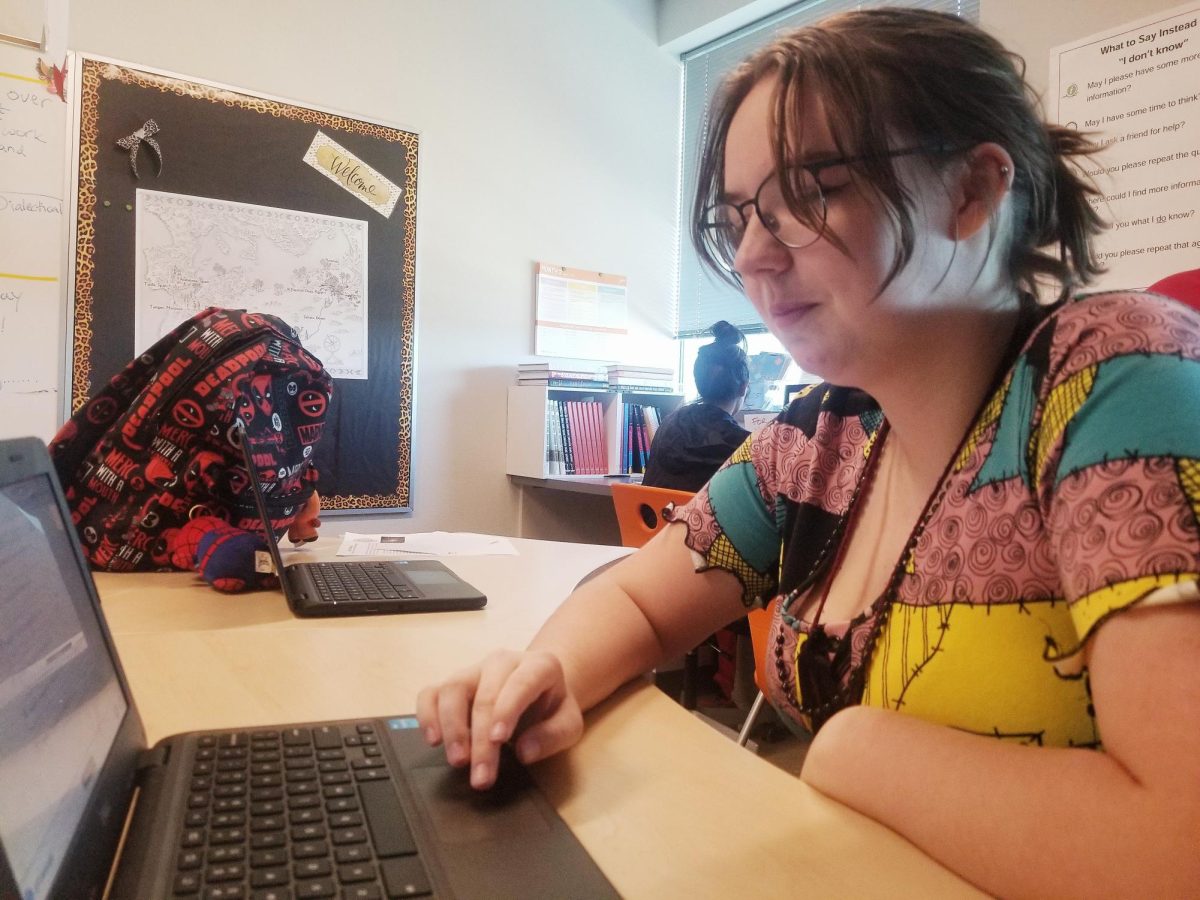
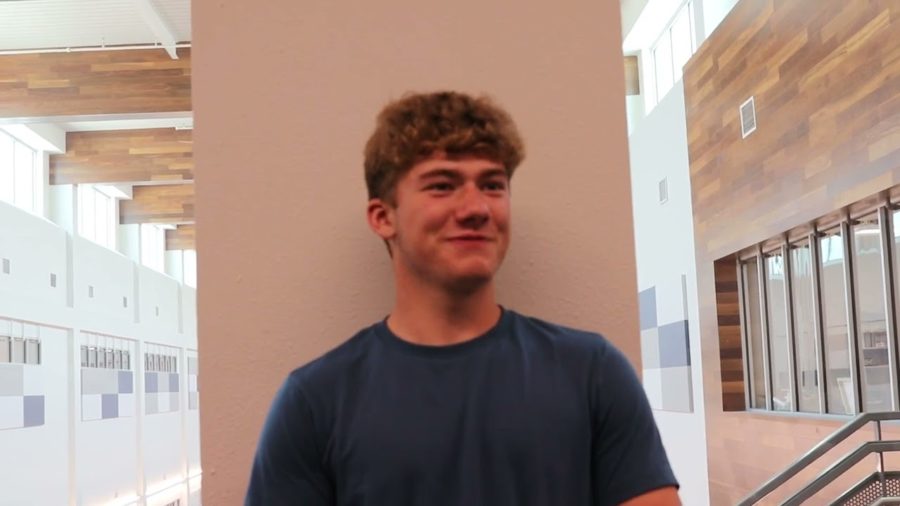
“I would have supported the tax rate increase. I am aware of how our district is running out of money, and I can’t imagine the amount of layoffs and unnecessary program cuts that would have to occur when the district’s budget and funding get too tight,” senior Elizabeth Jansen said. “I personally know many people who work in the district, as teachers and as staff, and many are in danger of losing their jobs.”
The proposed rate would have increased the current property tax rate by 12 cents per $100 taxable property value. For most homes in the district, that increase would be a difference of several hundred dollars in taxes. It’s unclear why voters rejected the increase, but some have speculated voters were influenced by the high cost of living.
“The cost of living continues to increase without an end in sight, and I think that voters want to be able to save money wherever they can, even if that is at the expense of the district,” Jansen said. “I don’t believe that these voters chose not to support the tax rate out of malice; many simply can’t pay the increased tax rate, or don’t want to.”
Students have also suggested voters may have been unaware of the district’s poor financial situation.
“I think if people knew the repercussions of what would happen if this proposition didn’t pass, I think more would have been inclined to vote for it,” senior Niko Morante said.
Without the extra funding from a rate increase, school district leaders will have to cut spending. That will likely mean cutting jobs, especially support staff and assistant positions. Schools will also probably have to increase class sizes and cut programs such as classes with low enrollment and some special education services.
“[There will be] less personalized teaching for students and an increased workload for teachers. More students in classes will mean teachers have less time to give to each student as they will be stretched more thin,” Jansen said. “Students in specialized learning programs, like the Deaf Ed Program here at Johnson, could risk losing their interpreters from staff cuts, causing their ability and accessibility to learning and information to significantly decrease.”
One of the main reasons the school district asked for the rate increase was to avoid having to increase class sizes, particularly at elementary schools.
“The larger the class size, the more difficult it is for a child to learn. It’s going to lead to a lot of time wasted trying to get the kids under control,” Morante said. “You jump from 32 kids–which is what my AP Government class is right now—to 37 kids. The kids are not going to be able to learn. There aren’t enough seats for them.”
Because state funding has stagnated in recent years, Hays CISD has used money from its fund balance to maintain the current level of educational services. The balance has been decreasing since 2021 and is now $20 million. The recommended balance is $67 million.
Over the next few years, Hays CISD will look for ways to cut costs. Students should expect less financial support from the district for extracurricular activities and stricter oversight of spending.
“The district is no longer funding [debate] competition trips to non-UIL sponsored events,” Morante said. “We haven’t been able to go to some competitions this year. Furthermore, we’re probably going to have to start coordinating with other high schools in the area—so Hays and Lehman—to hitch rides with them and share costs.”
State lawmakers have not raised the basic funding allotment for public schools at the rate of inflation. But during the most recent session, lawmakers did pass legislation creating a $1 billion school voucher program. Starting in the 2026-27 academic year, families will be able to use up to $10,000 of taxpayer money towards their child’s private school tuition.
“I think the state government is neglecting public schools,” Jansen said. “Even with the $1 billion voucher program to help parents send their child to private school, many families simply aren’t able to afford it…the state government is prioritizing the few over the many.”
In addition to the local tax rate proposal, the ballot included several proposed amendments to the state constitution to create property tax exemptions. Proposition 9 would create a tax exemption for businesses, Proposition 11 would increase the tax exemption for seniors, and Proposition 13 would increase the tax exemption for homeowners. All of these propositions passed. They are expected to cost the state more than $4 billion over the next few years and increase pressure on public school funding.
“When you pass propositions like this that limit school funding and allow exemptions for seniors to not have to pay school district taxes, it completely destroys [civic virtue],” Morante said. “People don’t want to help their neighbor. [They] think that it’s better to have a little more money in their pocket than saying, ‘let me allow my dollars to go to a good cause, and that cause is to set a child up for a good education, to have a better life than if we didn’t fund it.’”
The failed rate increase was an attempt by the district to make up for insufficient state funding. If state lawmakers continue to neglect the per-student allotment, the consequences could be profound.
“The kids who are in our public schools are our future,” Morante said. “There will come a day when all of these kids, currently in the public school system in Texas, will be in the workforce and trying to get good jobs. Right now, we’re setting up a majority of the kids to fail.”